 US Dollars

Winter’s wrapping up soon, and Spring’s on its way. It’s bringing the longer days, blooming landscapes, and warmer weather we’ve been craving. On the other hand, it’s also bringing the start of allergy season for millions of households. As homes start opening back up and plants start blooming and releasing pollen, airborne irritants increase both indoors and outdoors.
Understanding the most common spring allergens and how to handle them can help reduce symptoms like sneezing, congestion, itchy eyes, coughing, and fatigue.
Let’s review the top 10 spring allergens to watch for, plug practical steps to keep your home’s air cleaner and more comfortable.
Tree Pollen 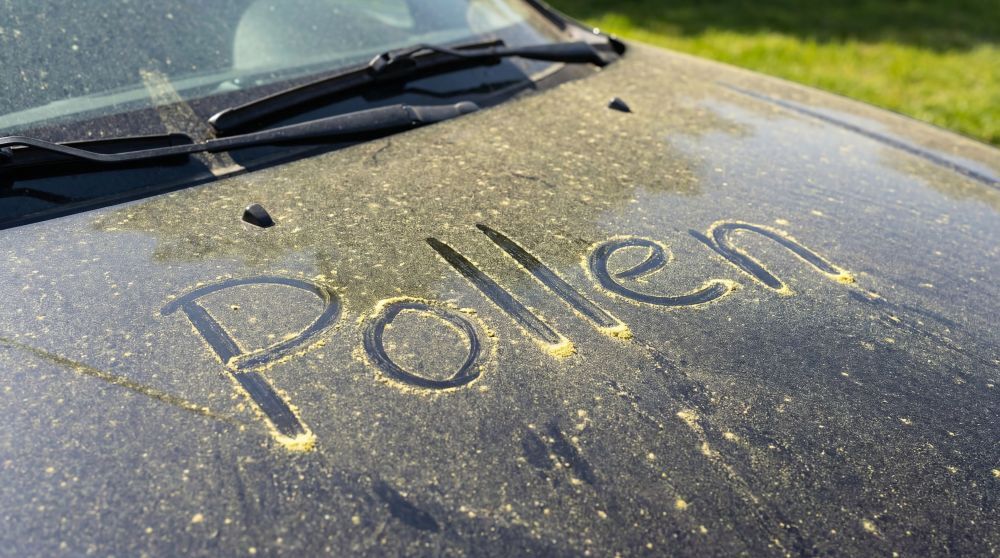
Tree pollen is often the first major allergen of the season. Oak, maple, birch, cedar, and elm trees release microscopic grains that travel easily through the breeze. As the temperature rises, cottonwood and olive trees also add their contribution. They’re lightweight and easy to inhale, triggering hay fever symptoms. That includes sneezing, nasal congestion, runny nose, watery eyes, and itchy throats and eyes.
How to manage it:
- Keep the windows closed during high pollen days.
- Avoid being outdoors between 5 am and 12 noon (when pollen levels are highest).
- Shower and change clothes after being outdoors.
- Use high-efficiency air filtration indoors.
Grass Pollen
Like tree pollen, grass pollen becomes a leading cause of seasonal allergies as Spring progresses. It usually peaks in late spring and early summer and can travel miles on windy days. Not all types of grass can trigger allergies, but certain types, like Kentucky bluegrass, rye, orchard, and sweet vernal, to name a few.
How to manage it:
- Avoid outdoor activities during peak pollen hours (early morning).
- Wear sunglasses outdoors to protect your eyes.
- Filter indoor air to reduce particles that enter the home.
Mold Spores 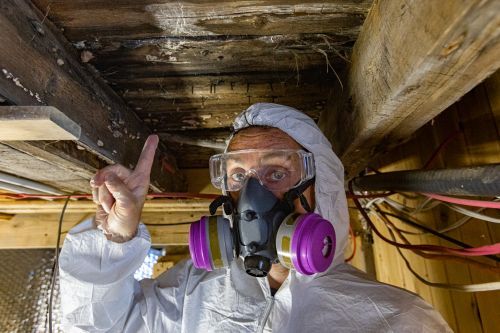
Mold can occur throughout the year, but in most areas, spring moisture and rain can create ideal conditions for mold growth outdoors and indoors. These spores can easily trigger asthma, respiratory irritation, and allergic reactions. Mold is persistent and can be found anywhere in the home, so attacking it can be a challenge.
How to manage it:
- Reduce humidity in the home.
- Use dehumidifiers in damp areas.
- Clean moldy areas with bleach.
- Clean gutters and remove wet leaves.
- Improve ventilation in bathrooms and basements.
Dust Mites
Dust mites thrive in bedding, upholstered furniture, and carpets. While the mites themselves aren’t the problem, their waste particles are what trigger allergic reactions. Common symptoms include sneezing, itchy eyes, coughing, facial pressure and pain, and postnasal drip. Those with asthma may experience difficulty breathing, chest tightness or pain, wheezing or whistling sound upon exhalation, and bouts of coughing and wheezing.
How to manage it:
- Wash bedding weekly in hot water.
- Use allergen-proof mattress covers.
- Keep humidity levels to less than 50%.
- Vacuum regularly with HEPA filtration.
Pet Dander 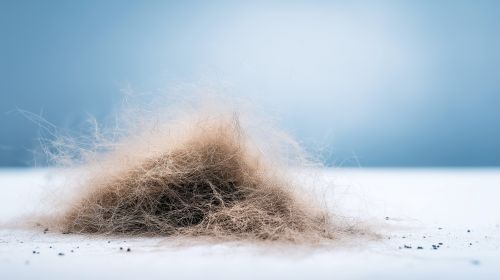
As pets shed winter coats, their dander levels increase, leading to accumulation in your home. Pet dander consists of tiny skin flakes that stay airborne for long periods. People with pet allergies have different levels of sensitivity to pet allergens, so symptoms vary among individuals.
How to manage it:
- Groom pets regularly.
- Clean their beds often.
- Vacuum frequently.
- Remove or avoid carpeted floors.
- Use air purification in high-traffic areas.
Insects & Pests
As the weather clears up and the temperatures increase, it’s that time of year where common pests are once again crawling into your homes. Cockroaches are a consistent and persistent source of allergies as their particles cling to fabrics and carpets. Mice also can make their way into your home, leaving urine, dander, and nesting materials that worsen asthma.
- Deep clean areas like kitchens and bathrooms.
- Seal up entry points in your home.
- Store food in air-tight containers.
- Invest in a pest control specialist.
VOCs from Spring Cleaning Products 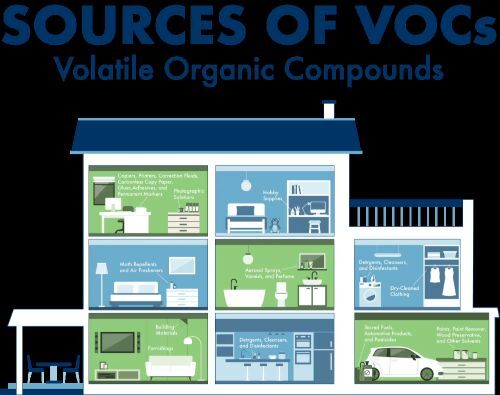
After being cooped up in the house all winter long, most households take advantage of the first sign of warm weather to start their spring cleaning. While beneficial as a whole, spring cleaning often introduces volatile organic compounds into indoor air. VOCs like ammonia, bleach, sulfuric acid, and formaldehyde can cause headaches, throat irritation, and worsen allergy symptoms.
How to manage it:
- Choose low-VOC or fragrance-free products.
- Use natural cleaning agents.
- Ventilate during cleaning.
- Use activated carbon filtration.
Ragweed
Ragweed, while often associated with fall, can start appearing in late spring in warmer climates. These plants create enormous amounts of pollen that travel long distances. Like most pollen, ragweed can cause sneezing, nasal congestion, runny nose, itchy throat and eyes, and wheezing.
How to manage it:
- Monitor local pollen counts.
- Limit outdoor exposure during spikes.
- Wear a pollen mask.
- Keep windows closed when pollen counts are high.
- Use certified asthma and allergy air filters.
Indoor Dust
Spring cleaning can stir up accumulated winter dust. Dust typically contains a mixture of all those allergy-triggering materials, like pollen, pet dander, skin flakes, fibers, and microscopic debris, all wrapped up in a bunny-like shape.
How to manage it:
- Dust with damp cloths to prevent recirculation.
- Replace HVAC filters regularly.
- Keep rooms clean regularly.
- Open windows and doors during cleaning sessions.
Lawn & Landscaping Chemicals
Spring cleaning isn't just for your home; lawns and gardens need care too. Fertilizers, pesticides, and herbicides can become airborne during application. These chemicals can irritate respiratory systems and linger indoors.
How to manage it:
- Keep windows closed during yard treatments.
- Remove shoes at the door.
- Filter indoor air after outdoor treatments.
How to Create a Spring-Ready Indoor Air Strategy
Spring allergens are unavoidable; that’s the fact. Managing these allergens, on the other hand, is doable and requires a layered approach:
- Monitor local pollen forecasts
- Clean regularly and replace HVAC filters
- Maintain indoor humidity between 30-50%
- Reduce clutter that traps dust
- Use high-efficiency air purification
AirHealth designs air purification systems that support cleaner indoor air during peak allergy seasons.
SKYE, AirHealth’s portable air purifier, features multi-stage filtration designed to capture airborne particles such as pollen, dust, pet dander, and other common allergens, making it especially useful for bedrooms, living spaces, and home offices during spring allergy season.