 US Dollars

When homeowners think about indoor comfort, temperature is usually the 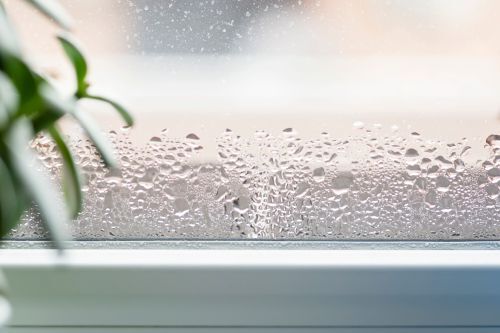 first thing that comes to mind. However, there'sanother factor that plays a major role in how your home feels and functions: humidity.
Humidity refers to the amount of moisture in the air, and maintaining the proper balance is critical for comfort, indoor air quality, and even your home's health.
Too much humidity can create an environment where mold, mildew, and dust mites thrive. Too little humidity can lead to dry skin, irritated sinuses, and static electricity.
Understanding how humidity affects your home, and what you can do to manage it, can help create a healthier and more comfortable living environment year-round.
What is the Ideal Indoor Humidity Level?
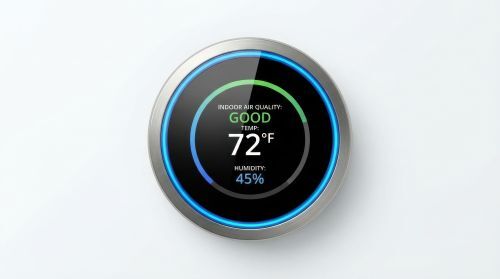
Most indoor air quality experts recommend maintaining indoor humidity levels between 30% and 50% relative humidity throughout the year.
This range provides the best balance between comfort and moisture control while minimizing conditions that allow biological contaminants to flourish.
When humidity rises above 60%, the risk of mold growth, musty odors, and pest activity increases significantly. On the other hand, humidity levels below 30% can make indoor air feel thicker, drier, and very uncomfortable.
The goal isn't to eliminate moisture altogether, but rather to keep humidity within a healthy range.
Common Sources of Indoor Moisture
Humidity enters and accumulates inside the home from a variety of sources.
Daily Activities: Cooking, showering, washing dishes, laundry, and even breathing generate moisture. A family of four can introduce several gallons of water vapor into the air each day through normal activities.
Outdoor Air: Warm outdoor air often carries significant moisture. During humid seasons, that moisture can enter the home through open doors and windows, ventilation systems, and small air leaks.
Poor Ventilation: Without adequate ventilation, moisture can become trapped indoors and accumulate over time. Bathrooms, kitchens, and laundry rooms are especially prone to humidity issues if ventilation is insufficient.
Why High Humidity Can be a Problem
Many homeowners notice humidity during the summer months when the air feels sticky and uncomfortable. However, excess humidity can affect far more than comfort.
Mold and Mildew Growth
Mold requires moisture to grow. When humidity levels remain elevated for extended periods, moisture can accumulate on walls, ceilings, windows, and HVAC components.
Common areas where mold activity is the highest include the bathroom, basement, laundry room, and crawl spaces. Once established, mold can release spores into the air that may contribute to allergy and respiratory issues.
Increased Dust Mites
Dust mites are microscopic organisms that thrive in warm, humid environments.They're one of the most common indoor allergy triggers and can multiply rapidly when humidity levels remain high.
Controlling moisture helps create conditions that are less favorable for dust mites.The study, Hypersensitivity pneumonitis related to a home furnace humidifier, found an average of 703 mites per gram of dust in six humidified houses versus 197 in nine houses without humidification. Reducing humidity can heavily impact mite populations, which can minimize a common allergy source.
Musty Odors
Excess moisture often leads to unpleasant odors throughout the home.These odors usually come from mold and mildew growth, which is common when humidity levels are high.
Even if mold isn't visible, elevated humidity can create a damp, stale smell that affects overall comfort. If you're smelling a musty, moldy scent within your home, it could indicate potential threats to the integrity of your home.
Reduced Comfort
High humidity makes it more difficult for the body to cool itself through evaporation. As a result, indoor spaces often feel warmer than they actually are.
This is especially difficult during hot, summer months where the air is already heavy from the heat. This can cause homeowners to lower thermostat settings and increase cooling costs. However, turning on the AC might not address the excessive humidity, if at all. The cooling process becomes less effective, and the air feels clammy and uncomfortable.
The Effects of Low Humidity
While excess moisture is a major cause of humidity, air that's too dry can also create challenges.
Dry Skin and Irritated
Low humidity can cause dry skin, chapped lips, scratchy throats, and dry nasal passages. Many people notice these symptoms during the winter months when heating systems are running more frequently.
Increased Static Electricity
If you've ever experienced frequent static shocks during winter, low humidity is likely the culprit. Dry air allows static electricity to build up more easily on clothing, carpets, and furniture. That results in one of those annoying sparks that jolts from your fingertips.
Damage to Wood Furnishings
Wood naturally expands and contracts based on moisture levels. Extended periods can cause hardwood floor gaps, cracked furniture, and warped wood materials. Maintaining balanced humidity helps protect these valuable household materials.
How to Control Humidity in Your Home
Fortunately, there're several steps homeowners can take to maintain healthy humidity levels within their homes.
Monitor Humidity Levels
The first step is understanding your home's current humidity conditions.
An inexpensive digital hygrometer, which measures the amount of water vapor in the air, can provide real-time humidity readings and help you identify seasonal trends.
Knowing your humidity level allows you to take corrective action before problems develop.
Improve Ventilation
Proper ventilation helps remove excess moisture and replace stale indoor air.
Consider running the bathroom exhaust fan during and after showers, using kitchen range hoods while cooking, or making sure that the attic and crawlspace ventilation is functioning properly.
These simple steps can significantly reduce moisture buildup and help protect your HVAC and ventilation system.
Address Water Intrusion
Leaks and moisture infiltration can quickly elevate indoor humidity.
Regularly inspect plumbing fixtures, roofing systems, basement walls, and windows and doors to make sure that the water remains where it's supposed to be.
Fixing moisture problems at the source is essential for long-term humidity control.
Use Dehumidification When Necessary
In regions with consistently high humidity, dehumidifiers can help maintain healthier indoor moisture levels.
Whole-house and portable dehumidifiers remove excess moisture from the air and can improve comfort, reduce mold risks, and support better indoor air quality.
Additionally, when needed, make sure that you're maintaining your HVAC system so that you can properly control your home's humidity levels.
The Connection Between Humidity and Indoor Air Quality
Humidity and indoor air quality are closely linked.
Excess moisture contributes to conditions that allow biological contaminants to thrive, while overly dry air can increase irritation and discomfort.
Balanced humidity helps reduce mold growth, dust mite populations, musty odors, and airborne irritants. This creates a healthier indoor environment for everyone in the home.
Where Air Purification Fits In
While controlling humidity is important, it's only one piece of a comprehensive indoor air quality strategy.
Even when humidity levels are properly managed, airborne contaminants can still circulate throughout the home, including dust, pollen, pet dander, smoke particles, and other pollutants.
This is where air purification becomes an important complement to humidity management. Air purifiers help capture or neutralize airborne contaminants that humidity control alone can't address.
Together, humidity management and air purification create a more complete approach to indoor wellness.
Building a Healthier Indoor Environment
The healthiest homes focus on multiple aspects of indoor air quality rather than relying on a single solution.A comprehensive strategy often includes humidity control, proper ventilation, air filtration, air purification, and routine HVAC maintenance.
While dehumidifiers and ventilation systems help regulate moisture levels, AirHealth air purifiers help address the mold and mildew spores left behind by high humidity levels, eliminating the airborne impurities that can impact a home's indoor air quality.
Proper humidity management combined with advanced air purification technology contributes to an overall cleaner, healthier, and more comfortable indoor environment.