 US Dollars

Temperatures are dropping, and the days are growing shorter. 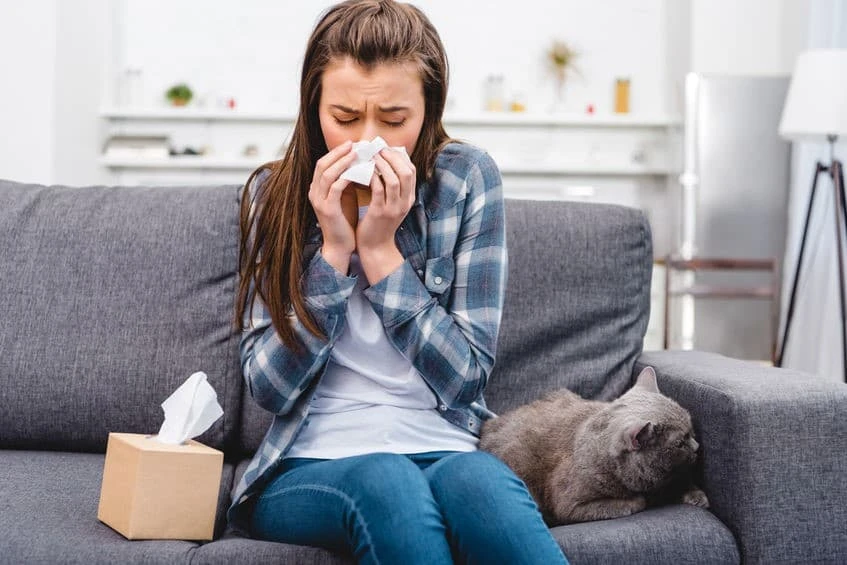 Flu season is here, and it's quickly becoming a familiar concern for households across the country. Between children returning to school, holiday gatherings, crowded workplaces, and spending more time indoors, opportunities for seasonal illnesses to spread increase significantly.
Influenza, commonly known as the flu, is a contagious respiratory illness caused by influenza viruses. While many people recover within several days to two weeks, the flu can cause serious complications, particularly for young children, older adults, pregnant people, and people with certain underlying health conditions.
The good news is that there are several proactive steps you can take to reduce your risk of getting sick and help protect those around you.
From everyday hygiene practices to improving indoor air quality with advanced air purification technologies, here are 10 practical ways to help protect yourself and your family during flu season.
1. Consider an Annual Flu Vaccine
One way to protect yourself against influenza is to receive the seasonal flu vaccine. Because influenza viruses change over time, flu vaccines are reviewed and updated regularly to target strains expected to circulate during the upcoming season.
The Centers for Disease Control and Prevention (CDC) recommends annual influenza vaccination for most people six months of age and older, with rare exceptions.
Vaccination can help:
- Reduce your likelihood of getting the flu.
- Lower the risk of severe illness and hospitalization.
- Reduce complications among vulnerable individuals.
- Help protect others in your community.
Ideally, get vaccinated before flu activity becomes widespread, although vaccination can still provide benefits later in the season.
2. Wash Your Hands Frequently
Good hand hygiene remains an important part of preventing the spread of infectious illnesses.
Throughout the day, your hands come into contact with frequently touched surfaces like doorknobs, phones, keyboards, shopping carts, gas pumps, and other shared equipment.
Although influenza spreads primarily through respiratory particles, contaminated hands can also transfer germs to your eyes, nose, or mouth.
To practice effective hand hygiene:
- Wash your hands with soap and water for at least 20 seconds.
- Wash before eating or preparing food.
- Clean your hands after coughing, sneezing, or blowing your nose.
- Avoid touching your face with unwashed hands.
- Use hand sanitizer containing at least 60% alcohol when soap and water aren't available.
Encouraging these habits throughout your household can help reduce germ spreading during the season.
3. Improve Your Indoor Air Quality
When temperatures drop, families naturally spend more 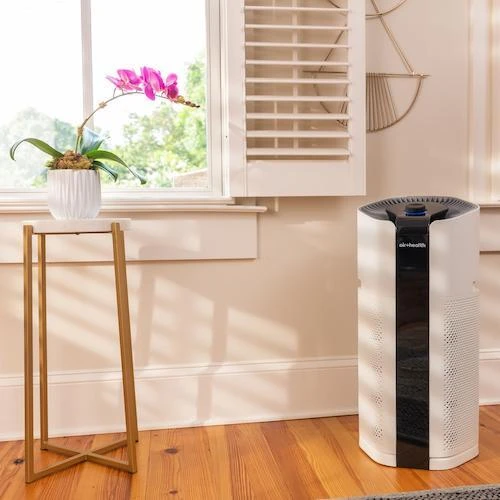 time indoors with windows and doors closed. While this helps maintain comfortable temperatures, it can also reduce the amount of fresh outdoor air entering the home.
Influenza viruses can spread through respiratory particles released when infected individuals breathe, talk, cough, or sneeze. Some of these particles can remain suspended in indoor air, particularly in poorly ventilated spaces.
Improving indoor air quality can help reduce the concentration of airborne particles that may carry respiratory viruses.
Consider these strategies:
- Use an appropriately sized portable air purifier with effective particle filtration.
- Upgrade HVAC filtration when compatible with your system.
- Increase ventilation when outdoor conditions allow.
- Keep HVAC filters clean and replace them according to manufacturer recommendations.
- Run air-cleaning equipment consistently in frequently occupied spaces.
Air purifiers with HEPA filtration can capture fine airborne particles, including respiratory aerosols that may contain viruses. Certain air purification systems also incorporate UV-C technology to help inactive susceptible microorganisms under appropriate operating conditions.
Air cleaning works best alongside vaccination, ventilation, and other preventive measures rather than as a replacement for them.
4. Prioritize Quality Sleep
Getting enough sleep is essential for supporting normal immune function.
During sleep, your body performs important processes involved in recovery, tissue repair, and immune regulation. Consistently insufficient sleep can interfere with these processes and may increase susceptibility to infections.
Most adults should aim for approximately seven to nine hours of sleep each night, although individual needs vary.
To improve sleep quality:
- Maintain a consistent bedtime and wake-up schedule.
- Keep your bedroom cool, dark, and quiet.
- Limit caffeine late in the day.
- Reduce screen exposure before bedtime.
- Create a relaxing evening routine.
Maintaining a comfortable sleeping environment, including good ventilation and reduced airborne irritants, can also support more restful nights.
5. Maintain a Balanced, Nutritious Diet
Your immune system relies on adequate nutrition to function properly. Eating a balanced diet provides essential vitamins, minerals, proteins, and other nutrients involved in maintaining normal immune responses.
Rather than relying on supplements or individual foods marketed as immune boosters, focus on consistent, healthy eating habits.
Include a variety of:
- Fruits and vegetables
- Whole grains
- Lean proteins
- Nuts and seeds
- Healthy fats
- Nutrient-rich foods containing vitamins A, C, D, and zinc
Staying hydrated is equally important. Drinking enough water helps maintain normal bodily functions and supports overall health. While good nutrition can't guarantee that you won't catch the flu, it contributes to general wellness and normal immune function.
6. Keep Frequently Touched Surfaces Clean
Germs can accumulate on surfaces that multiple people touch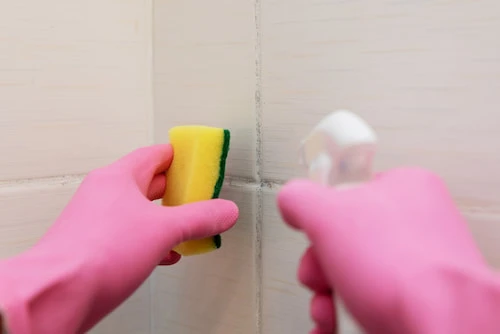 throughout the day. Although influenza spreads primarily through respiratory particles, cleaning frequently touched surfaces remains a useful supplemental prevention measure.
Pay particular attention to:
- Door handles
- Light switches
- Remote controls
- Mobile phones
- Countertops
- Computer keyboards
- Shared bathroom fixtures
- Car radio systems
- Steering wheels
Use appropriate household cleaning products and follow manufacturer instructions. When someone in the household is sick, disinfecting frequently touched surfaces can provide an additional precaution.
Remember that surface cleaning should complement, not replace, strategies that address airborne transmission.
7. Stay Physically Active
Regular physical activity supports cardiovascular health, improves sleep, reduces stress, and contributes to overall well-being. Moderate exercise can also support normal immune function.
You don't need an intense workout routine to benefit from movement.
Focus on activities like:
- Walking
- Jogging
- Cycling
- Swimming
- Yoga
- Participating in recreational sports
Adults should generally aim for at least 150 minutes of moderate-intensity physical activity per week, along with muscle-strengthening activities.
During flu season, consider exercising outdoors when weather and air quality permit or choosing well-ventilated indoor environments.
If you're experiencing flu symptoms, prioritize rest and recovery rather than pushing through strenuous exercise.
8. Avoid Close Contact with People Who Are Sick
Influenza spreads most readily when people are near someone who is infected. Crowded indoor environments, close conversations, and shared living spaces can create opportunities for respiratory viruses to spread.
To reduce exposure:
- Avoid unnecessary close contact with people experiencing flu symptoms.
- Consider wearing a well-fitting mask in crowded indoor spaces, particularly during periods of high flu activity.
- Encourage sick household members to rest in a separate room when practical.
- Avoid sharing drinking glasses, utensils, and personal items.
- Improve ventilation and air filtration in shared spaces.
If you become sick, stay home and away from others until your symptoms are improving overall and you've been fever-free for at least 24 hours without fever-reducing medication. Continue taking additional precautions for the next five days, following current public health guidance.
These habits are especially important when protecting family members who may be at greater risk of complications.
9. Maintain Comfortable Indoor Humidity Levels
Indoor humidity can influence respiratory comfort and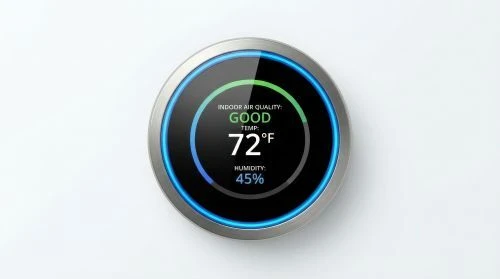 the conditions in which some microorganisms persist. During winter, heating systems often contribute to lower indoor relative humidity. Excessively dry air can irritate the nose, throat, and respiratory passages.
On the other hand, excessive humidity can encourage mold growth and dust mite activity. For many homes, maintaining relative humidity between approximately 30% and 50% is a reasonable target.
To help maintain balanced humidity:
- Monitor indoor conditions with a hygrometer.
- Use a humidifier when indoor air becomes excessively dry.
- Use a dehumidifier when moisture levels are too high.
- Repair leaks and address condensation problems.
- Maintain appropriate ventilation.
Humidity control alone will not prevent influenza, but it can support a more comfortable indoor environment and help address other indoor air quality concerns.
10. Recognize Flu Symptoms and Take Action Early
Even with preventive measures, it's still possible to contract influenza. Recognizing symptoms early can help you make informed decisions about treatment and reduce the likelihood of spreading illness to others.
Common flu symptoms include:
- Fever or chills
- Cough
- Sore throat
- Runny or stuffy nose
- Muscle aches
- Headaches
- Fatigue
Not everyone with influenza develops a fever. If you begin experiencing symptoms, rest, stay hydrated, and limit contact with others.
For individuals at higher risk of complications, contacting a healthcare professional promptly is particularly important. Prescription antiviral medications may help reduce the severity and duration of illness, especially when started early.
Seek urgent medical care for warning signs such as difficulty breathing, persistent chest pain, severe confusion, or other serious symptoms.
How AirHealth Air Purifiers Can Support a Healthier Home During Flu Season
Protecting your family during flu season requires a combination of healthy habits, preventive healthcare, and attention to the indoor environment.
While vaccination, handwashing, and avoiding close contact with sick individuals remain essential, improving indoor air quality adds another important layer of protection.
AirHealth offers air purification solutions designed to help reduce airborne contaminants in everyday living spaces. Products such as Haven, Haven Plus, and Skye provide options for homeowners looking to incorporate air purification into their indoor air quality strategy.
Depending on the specific model, air purification technologies may include:
- HEPA filtration: Captures fine airborne particles, including dust, allergens, and respiratory aerosols.
- UV-C technology: Can inactivate susceptible microorganisms when exposure conditions are sufficient.
- Additional air treatment technologies: May address certain odors or gaseous pollutants, depending on the product's design.
An appropriately sized air purifier can help reduce airborne particle concentrations in frequently occupied rooms such as bedrooms, living rooms, and home offices.
Although no air purifier can guarantee protection against influenza, effective air cleaning can complement other strategies for reducing exposure to airborne respiratory particles.
Make Your Health a Priority This Flu Season
Flu season may be a recurring part of the year, but that doesn't mean you have to approach it without a plan.
By combining annual vaccination, proper hygiene, balanced nutrition, adequate sleep, regular exercise, and smart indoor air quality practices, you can take meaningful steps toward reducing your risk of illness.
Remember that prevention works best when multiple strategies are used together.
This flu season, take a proactive approach to protecting yourself and your loved ones. From everyday habits to cleaner indoor air with AirHealth air purification solutions, small changes can contribute to a healthier, more comfortable home throughout the colder months.
Because protecting your family's health starts with the choices you make every day, including the quality of the air you breathe.