 US Dollars

Winter is here in full force. To protect our homes from the cold, we often seal off every nook and cranny to trap any warmth we can inside. Unfortunately, that also traps everything circulating inside the air we breathe, including dry air, allergens, viruses, chemical pollutants, and other concerns that negatively affect the indoor air quality. During the cold season, it’s one of the most important times to be proactive about purification, ventilation, and filtration.
Let’s discuss the top five indoor air concerns every homeowner should be prepared for this winter.
Increased Airborne Viruses & Bacteria 
Winter is the peak season for respiratory illnesses. Colds, flus, and RSV run rampant during this time. Closed windows, recirculated air, and higher occupancy indoors create the perfect environment for viruses and bacteria to spread.
With everyone sequestered into the home all winter, the risk of exposure is increased. A single cough or sneeze from across the house can travel all the way throughout the home, especially if there’s poor ventilation, carrying all those viral particles to your respiratory system.
While it’s almost impossible to eliminate all risks of the cold and flu, you can reduce the virus and bacterial load in your home’s air and improve air quality by taking the necessary precautions. Investing and installing the right technology can dramatically reduce airborne pollutants and help your family breathe cleaner, healthier air.
Dry Winter Air & Respiratory Irritation
The air gets drier and less humid during the winter months. Cooler air carries less moisture than warm air, and that dry air can easily slip insider your home and lower the relative humidity. Constantly running the indoor heating doesn’t help the situation, too. This dry air is going to pull moisture from wherever it can, especially your nasal passages. That normally thick mucus gets dried out, making it less effective to trap germs and protect your respiratory system.
Dry air can lead to irritation of the airways, causing a number of health issues, such as coughing, wheezing, and breath shortages, and can lead to bronchitis, sinusitis, and other viral infections. Vulnerable groups, such as children, the elderly, and at-risk individuals, are much more susceptible to these health risks, so proactive steps need to be taken to protect your indoor air quality.
A humidifier is the best defense against the dry winter air. It adds moisture back into the air to help alleviate the risks of infection and improve breathing quality within the home.
Dust, Allergens, & Pet Dander Buildup
Outdoor allergies might decline during the winter months, but other allergies often get worse. Forced air heating systems like to stir up settled dust, keeping those particles suspended in the air where we can easily inhale them. Plus, with the windows sealed closed, allergens are trapped inside along with us.
Additionally, we’re not the only ones who suffer from the dry air. Our pets, who are often by our sides, also get itchy and flaky skin, especially if they’re shedding their thick, winter coat. All that scratching gets dander in the air and clinging to surfaces, lowering the air quality and potentially triggering allergies.
These allergens can trigger sneezing and runny nose, wheezing or asthma episodes, itchy and watery eyes, and increased respiratory irritation. Cleaning routines can help alleviate the amount of dust and dander that build up, but constant vacuuming and sweeping oftern reintroduce particles into the air unless proper filtration is in place.
Stagnant Air & Poor Ventilation 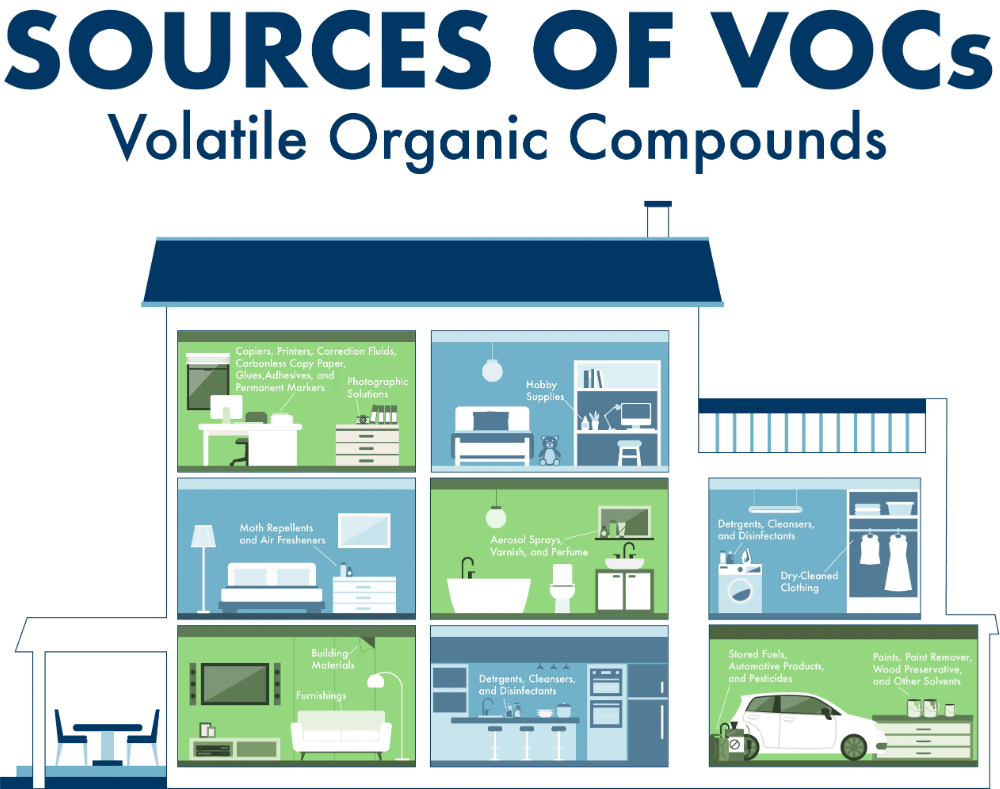
Fresh air exchange naturally decreases during winter, and modern homes with tight insulation make ventilation even more limited. It’s not like you can open a window during a snowstorm to get some fresh air.
Sources like cooking, cleaning products, wood burning, candles, air fresheners, and others can introduce more pollutants to cycle through the air continuously. Without regular ventilation, indoor air becomes increasingly concentrated with contaminants, reducing comfort and worsening symptoms for allergy and asthma sufferers.
HVAC systems that are clogged or haven’t had new filters in a while often recirculate the same air throughout the home. This plus reduced airflow allows these airborne pollutants to accumulate and permeate. Make sure you check your HVAC system so that it’s working optimally throughout winter.
Increased VOCs from Holiday Activities, Winter Cleaning, & Everyday Living
Winter brings a spike in volatile organic compounds (VOCs), which are gases (i.e. benezene, formaldehyde, acrolein, etc.) emitted from products and activities inside the home. Curling up in front of a warm fire, smelling a cinnamon candle, or baking some holiday cookies are all fun winter activities, but they are also playing a major part in introducing indoor air pollution.
Constant exposure to these pollutants can induce coughing, shortness of breath, and wheezing and may lead to serious complications, such as reduced lung function, asthma attacks, etc.
Maintaining proper ventilation is the key to enjoying common holiday activities without risking your health. Using exhaust fans, opening the window briefly, installing mechanical ventilation systems, keeping indoor spaces clean, and using air purifiers in high-traffic areas are valuable steps to protecting your home this winter.
How to Improve Winter Indoor Air Quality
While winter presents IAQ challenges, several strategies can significantly improve your home environment.
- Use HEPA filtration to capture allergens and airborne particles
- Increase ventilation when possible (crack windows briefly, use exhaust fans)
- Maintain healthy humidity levels (ideally 30–50%)
- Reduce VOCs by choosing low-emission products and improving airflow
- Clean regularly with vacuum filters designed to trap fine particulates
- Replace HVAC filters more frequently during heating season
For homes looking for a more robust solution, AirHealth offers technologies designed to support seasonal IAQ demands.
The SKYE Portable Air Purifier is the ideal solution for bedrooms, offices, nurseries, and living areas. Engineered with an auto-mode, the SKYE App, WIFI, and the best in smart features, SKYE will automatically clean the air leaving your room smelling cleaner and fresher throughout winter.
The HAVEN In-Duct Air Purifier cleans air as it circulates through your HVAC systems. This easy to install and operate machine uses modern UV technology to keep germs out of your home. This can help reduce the risk of getting the cold or flu.
The HAVEN Plus In-Duct Air Purifier enhances filtration for maximum whole home protection. In addition to its UVC ultraviolet light induct technology, this purifier increases the air quality by adding patented PRO-Cell™ and AirFresh technology to reduce pathogens, deconstruct volatile organic compounds, and make your home smell great.