 US Dollars

You may think your HVAC system just heats and cools your home, but it does much more; it constantly circulates air throughout every room in the house. While that circulation keeps temperatures comfortable, it also means that whatever is floating through your ductwork can be distributed throughout your living space.
Over time, HVAC systems can accumulate and spread dust, allergens, microorganisms, and other airborne contaminants. Because most homeowners rarely see inside their ductwork, it’s easy to overlook what may be circulating through the air you breathe every day.
Understanding what can build up inside your HVAC system, and how to manage it, can make a significant difference in your home’s indoor air quality.
How Air Moves Through Your HVAC System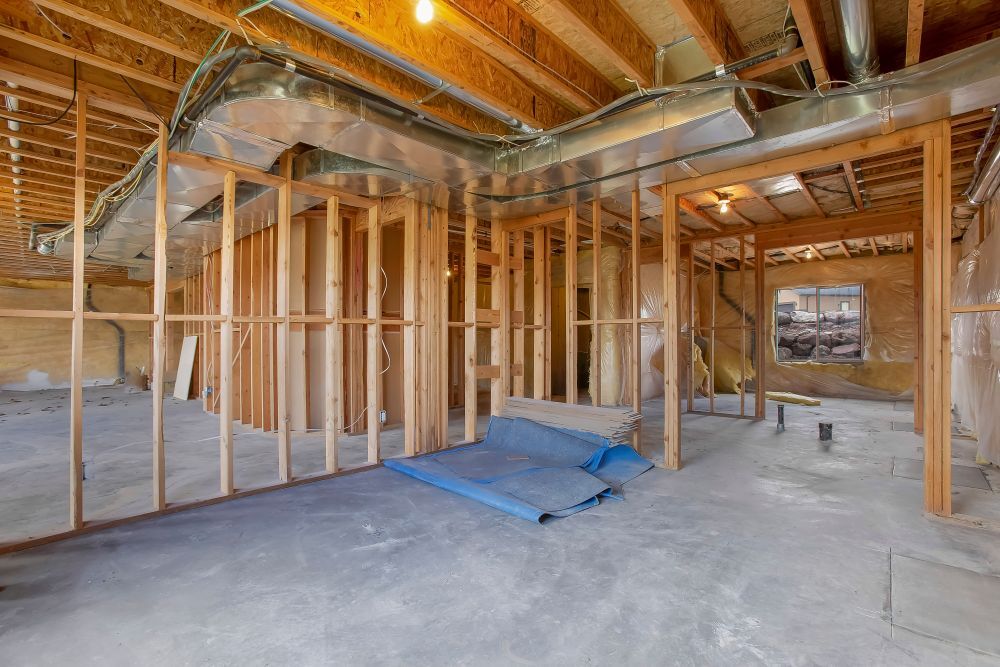
A typical forced-air HVAC system continuously pulls air from rooms through return vents, passes it through filters and mechanical components, and redistributes it through supply vents.
This process repeats dozens of times per day. While HVAC filters capture some particles, they are often designed to protect equipment rather than fully clean the air.
As a result, small airborne particles and pollutants can move freely through the system and recirculate throughout the home.
What Can Accumulate Inside Your HVAC System
Because HVAC systems handle large volumes of air every day, they can become a collection point for a variety of airborne contaminants.
Dust and Household Particles:
Dust is one of the most common substances circulating through HVAC systems. It’s made of fibers from clothing and carpets, microscopic skin cells, pollen particles, and fine debris from everyday activities. When the system runs, these particles can be stirred up and redistributed through the home.
Pollen and Outdoor Allergens:
During allergy seasons, pollen can enter homes through doors, windows, and clothing. Once inside, these microscopic particles can travel through the HVAC system and spread from room to room. For people sensitive to seasonal allergies, this circulation can prolong symptoms even after they come indoors.
Pet Dander:
Those tiny flakes of skin shed by animals can easily become airborne and move through ventilation systems. Because these particles are extremely small and lightweight, they can remain suspended in the air for long periods.
Mold Spores: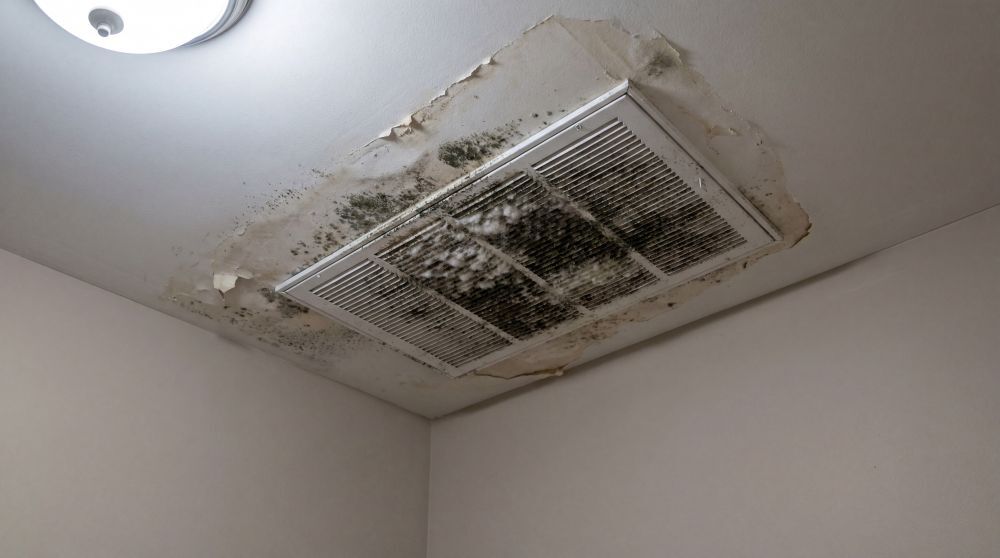
Moisture inside HVAC components, such as coils or ducts, can create conditions that allow mold spores to develop or accumulate. When the system runs, those spores can spread into living spaces. Mold exposure can contribute to respiratory irritation and allergy symptoms, particularly for sensitive individuals.
Bacteria and Viruses:
Airborne microorganisms may also circulate through HVAC systems. While standard filters capture some particles, many microbes are small enough to remain airborne and move through ductwork.
Odors and Volatile Organic Compounds:
HVAC systems can also distribute odors and chemical gases throughout a home. VOCs can originate from cleaning products, paints, furnishings, cooking activities, and other household sources.
Why HVAC Filters Alone May Not Be Enough
Many homeowners assume their HVAC filter is responsible for cleaning the air in their home. While filters are indeed important, they often have limitations.
Standard filters are primarily designed to protect HVAC equipment from debris, maintain airflow through the system, and capture larger particles, like dust. However, smaller pollutants, including microscopic allergens, microbes, and gases, may pass through traditional filters.
Additionally, HVAC systems only filter air while they’re actively running, meaning contaminants can continue to circulate in between cycles.
The Role of an In-Duct Air Purifier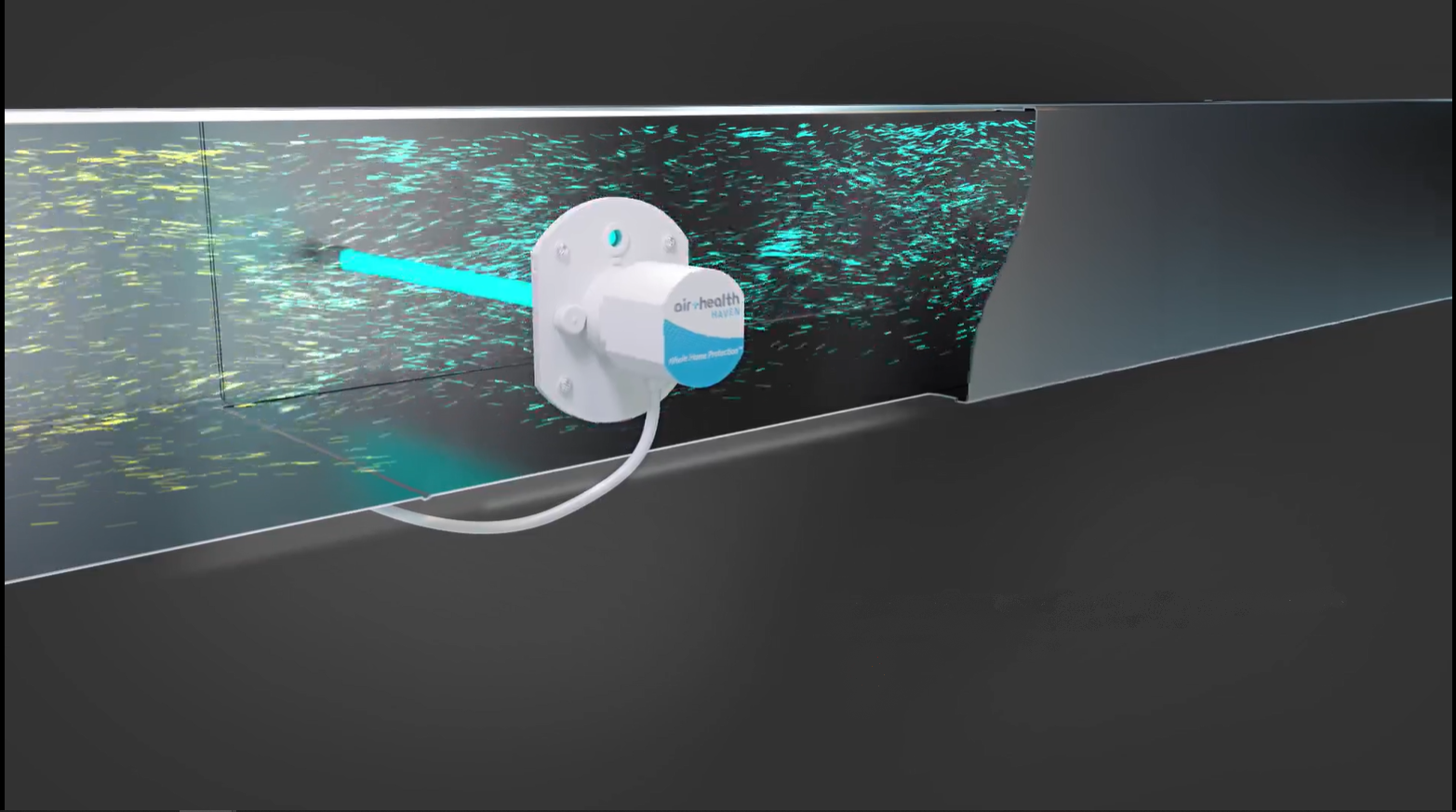
An in-duct air purifier is installed directly inside the HVAC system, where it treats air as it passes through the ductwork. Because the purifier operates within the central airflow of the home, it can help address contaminants before they reach living spaces.
Instead of relying solely on passive filtration, in-duct purification technologies can help target a wider range of pollutants, including airborne particles, microorganisms, and certain chemical compounds. This approach helps improve the baseline air quality circulating throughout the home.
Benefits of Whole-Home Air Purification
Installing an in-duct air purification system offers several advantages for homeowners seeking improved indoor air quality.
Whole-Home Coverage: Because the purifier operates within the HVAC system, it treats air moving through the entire duct network rather than just one room.
Continuous Air Treatment: As air circulates through the system, contaminants can be addressed repeatedly over time.
Reduced Circulation of Allergens and Irritants: By targeting pollutants within the ductwork, fewer particles may reach occupied spaces.
Cleaner Air Throughout the House: Instead of relying on multiple standalone units, a central system helps improve air quality across every room connected to the HVAC system.
AirHealth Whole-Home Air Purification Solutions
AirHealth designs air purification systems that integrate directly with residential HVAC systems to help address indoor air quality challenges at the source.
The HAVEN In-Duct Air Purifier is engineered to treat air as it flows through the home’s ductwork, helping reduce airborne contaminants before they circulate through living space.
For households seeking enhanced performance, the HAVEN Plus provides an advanced whole-home purification solution designed to support cleaner indoor air across larger or more demanding environments. By integrating purification into the HVAC system itself, these technologies help ensure that the air circulating through the home is continuously treated.
A Cleaner HVAC System Means Cleaner Indoor Air
Your HVAC system acts as the lungs of your home, constantly moving air through every room. When that system circulates dust, allergens, and other airborne contaminants, indoor air quality can decline without homeowners even realizing it.
By addressing pollutants where they travel most, inside the HVAC system, whole-home air purification provides a proactive approach to maintaining a healthier indoor environment. For many homeowners, installing an in-duct air purifier is one of the most effective steps toward improving the quality of the air they breathe every day.