 US Dollars

Lingering household odors can come from cooking, pets, smoke, moisture, cleaning products, and contaminants circulating through your HVAC system. While most homeowners can go nose blind from the smell, it still exists. These household smells come from various lifestyle choices blending together. The food you cook, the candles you light, the pets you own, the job you work, these all factor into your home’s scent.
While some of these smells are homey, other less pleasant odors (smoke, sweat, excess moisture, etc.) can linger long after their source is gone.
Many homeowners assume masking odors with candles, sprays, or air fresheners is enough. While these products may temporarily cover them up, they rarely address the underlying cause. In many cases, odors are a sign that airborne particles, volatile organic compounds, or excess moisture are affecting your home’s indoor air quality.
The good news is that there are several effective ways to reduce odors at the source and create a cleaner, fresher indoor environment. From improving ventilation to using advanced air purification technologies like carbon filtration and photocatalytic oxidation, homeowners have more options than ever before.
Why Do Household Odors Linger?
Odors are more than just unpleasant smells.  They’re airborne molecules released from a variety of everyday sources. Common contributors include:
- Cooking oils and grease
- Pet dander and pet accidents
- Cigarette or cigar smoke
- Mold and mildew
- Sweat, body odors and bathroom odors
- Household cleaning products
- Paints and building materials
- Garbage and food waste
- Outside influences
- Dirty HVAC systems
- High indoor humidity
Many of these sources also release volatile organic compounds, microscopic gases that contribute not only to odors but also to poor indoor air quality.
Because modern homes are built tighter for energy efficiency, these odor-causing molecules often remain trapped indoors instead of naturally dissipating.
Improve Ventilation Throughout Your Home
One of the easiest ways to reduce indoor odors is by increasing fresh air circulation.
When the weather is good, open up your windows and doors to circulate fresh air through the house. Keep windows on opposite sides of the house open for about 10-15 minutes at a time to create an effective cross-ventilation.
Run the bathroom exhaust fans after showers and the kitchen range hoods while cooking. Also, vent clothes dryers properly. Clothes dryers should always exhaust outdoors to prevent warm, humid air from lingering inside.
Ventilation helps dilute indoor pollutants and removes stale air before odors become concentrated. However, during extreme temperatures or when outdoor air quality is poor, opening windows isn’t always practical. That’s why many homeowners pair good ventiliation practices with indoor air purification technologies that continue cleaning the air while the home remains closed.
Control Excess Humidity
Moisture and odors often go hand in hand.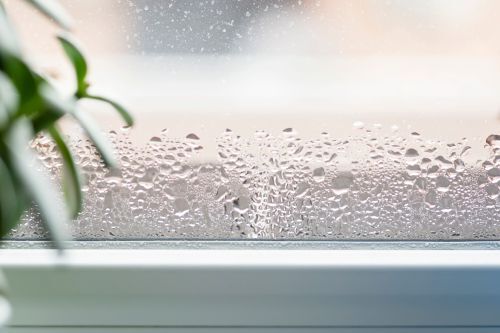
When humidity levels climb above 50%, homes become more susceptible to mold growth, mildew buildup, and dust mite activity. Bathrooms, basements, laundry rooms, and crawl spaces are particularly vulnerable.
Common signs of excess humidity include musty smells in basements and crawl spaces, condensation on windows, damp-feeling surfaces, and that persistent stale air that remains even after cleaning.
Controlling humidity starts with identifying where the moisture is coming from. Long hot showers, plumbing leaks, poorly ventilated attics, and cooking without exhaust can all lead to a buildup of moisture within the home.
Simple steps can make a significant difference. Using exhaust fans, wiping standing water from showers and sinks, repairing leaks promptly, and using dehumidifiers where necessary can significantly reduce moisture-related odors before they become larger problems.
Reducing excess humidity minimizes odors and also helps protect your home’s structure, furniture, and HVAC system from moisture-related damage.
Keep Your HVAC System Clean
Your HVAC system circulates thousands of cubic feet of air every day. If dust, dirt, mold, or other contaminants build up inside the system, every heating or cooling cycle has the potential to redistribute those odors throughout your home.
Routine HVAC maintenance is one of the most overlooked ways to improve indoor air quality and reduce unpleasant smells. Here are some key maintenance tasks:
Replace Air Filters Regularly: Dirty filters restrict airflow and become less effective at trapping airborne particles. Filters should typically be replaced every one to three months, depending on the filter type and house situation.
Clean Evaporator Coils: Cooling coils naturally collect condensation during air conditioning season. Dust combined with moisture creates an ideal environment for odor-producing microbial growth.
Inspect Condensate Drain Pans: Standing water in drain pans can quickly become a breeding ground for bacteria and mold if drainage is restricted. Keep those pans clear.
Have Ductwork Evaluated: When in doubt, ask a professional. Over time, ductwork can accumulate dust, debris, and mold in humid conditions. If you suspect your HVAC system, a professional duct inspection may be worthwhile.
Eliminate Odors at Their Source
Air purification technologies are most effective when paired with good housekeeping and odor prevention practices. Instead of masking odors, focus on removing the source whenever possible.
Kitchen Odors:
Cooking releases grease particles, smoke, and airborne oils that settle on cabinets, ceilings, and walls. To reduce lingering odors, clean stovetops and backsplashes regularly along with the grease filters in range hoods. You can also clean your garbage disposal using ice, citrus peels, or specific cleaners.
Don’t let kitchen garbage pile up; empty the trash frequently. Store food scraps in tightly sealed containers to not only reduce odors but preserve freshness.
Pet Odors:
Pets are a joy to have, but they can also introduce dander, oils and lingering odors into the home.
Bathing pets regularly, when appropriate, can reduce their odors. If you have cats, keep those litter boxes clean daily. Take care of accidents immediately to prevent odors from penetrating flooring, carpets, or furniture.
Make sure you wash pet bedding every one to two weeks to prevent an accumulation. Also, vacuum carpets and upholstery with a HEPA-equipped vacuum to keep your home clean.
Smoke Odors:
Smoke particles are extremely small and tend to cling to fabrics, walls, carpets, and furniture.
When exposed to smoke, wash washable fabrics and clean hard surfaces thoroughly. Replace HVAC filters if necessary, and consider advanced air purification for lingering odors. The more completely the source is removed, the easier it becomes to maintain fresher air.
Upgrade Your Air Filtration
Your HVAC filter serves as the first line of defense against airborne particles. However, not all filters provide the same level of protection. Higher-efficiency filters capture significantly more airborne contaminants than basic fiberglass filters.
Choosing the right filter involves balancing filtration efficiency with proper airflow for your HVAC system. A filter that’s too restrictive may reduce system performance if it’s not compatible with your equipment.
Regular filter replacement is just as important as choosing the right filter. Even the highest-quality filter becomes less effective as it gets more and more loaded with debris. While upgraded filtration dramatically improves particle removal, it’s important to remember that filters alone can’t remove gases, odors, or other volatile organic compounds.
Use Carbon Filtration to Capture Odor-Causing Gases
Unlike standard filters that capture particles, activated carbon filtration targets gases and odor molecules. Activated carbon contains millions of microscopic pores that create an enormous surface area capable of absorbing odor-causing compounds.
Carbon filtration can help reduce odors from cooking oils, grease, dander, smoke, household chemicals, paints and solvents, garbage, etc.
Many of these odors are caused by volatile organic compounds, which are gases released by cleaning products, furnishings, paints, adhesives, and other household materials. This also includes those air fresheners used to cover those odors.
Rather than using those sprayers and adding to the chemicals in the air to cover up the odors, activated carbon helps remove many of the molecules responsible for producing those smells.
This makes carbon filtration one of the most effective tools for improving both indoor air quality and overall comfort.
Go Beyond Filtration with Photocatalytic Oxidation
Some contaminants are too small or chemically 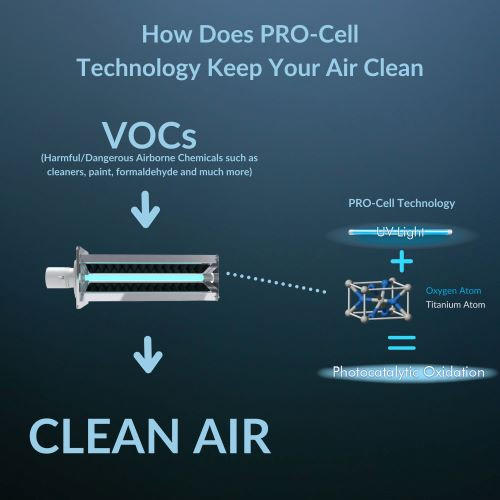 complex for traditional filtration or carbon absorption alone. Photocatalytic oxidation (PCO) takes air cleaning a step further by actively breaking down airborne pollutants at the molecular level.
PCO combines ultraviolet light with a specially engineered catalyst to create a natural oxidation reaction. As contaminated air passes through the system, many volatile organic compounds and odor-causing compounds are converted into harmless substances such as water vapor and carbon dioxide.
Rather than simply trapping pollutants, PCO helps destroy many of the compounds responsible for unpleasant indoor air.
When combined with high-efficiency filtration and activated carbon, PCO creates a comprehensive approach to odor control that addresses most pollutants simultaneously.
Layering Technologies Creates the Best Results
No single technology addresses every indoor air quality concern. The most effective odor-control strategies are those that combine multiple approaches:
|
Technology |
Primary Benefit |
|
High-efficiency filtration |
Capture airborne particles |
|
Activated carbon |
Reduces odors and VOCs |
|
PCO technology |
Breaks down odor-causing pollutants |
|
Good ventilation |
Removes stale indoor air |
|
Humidity control |
Helps prevent mold and musty odors |
Together, these solutions provide a more complete approach to creating cleaner, fresher, higher quality indoor air.
Advanced Air Purification for Everyday Living
While routine cleaning and ventilation help minimize odors, today’s homes often benefit from advanced air purification technologies that continuously treat the air.
Field Controls offers several innovative solutions designed to improve indoor air quality while reducing odors and other pollutants.
Our Haven, Haven Plus, and Skye products combine advanced filtration technologies, including activated carbon and PCO, to help reduce odors, volatile organic compounds, and other airborne contaminants throughout your home.
Rather than masking odors with fragrances, these technologies work to reduce many compounds that are responsible for unpleasant smells, returning households to that homey scent that homeowners remember.